
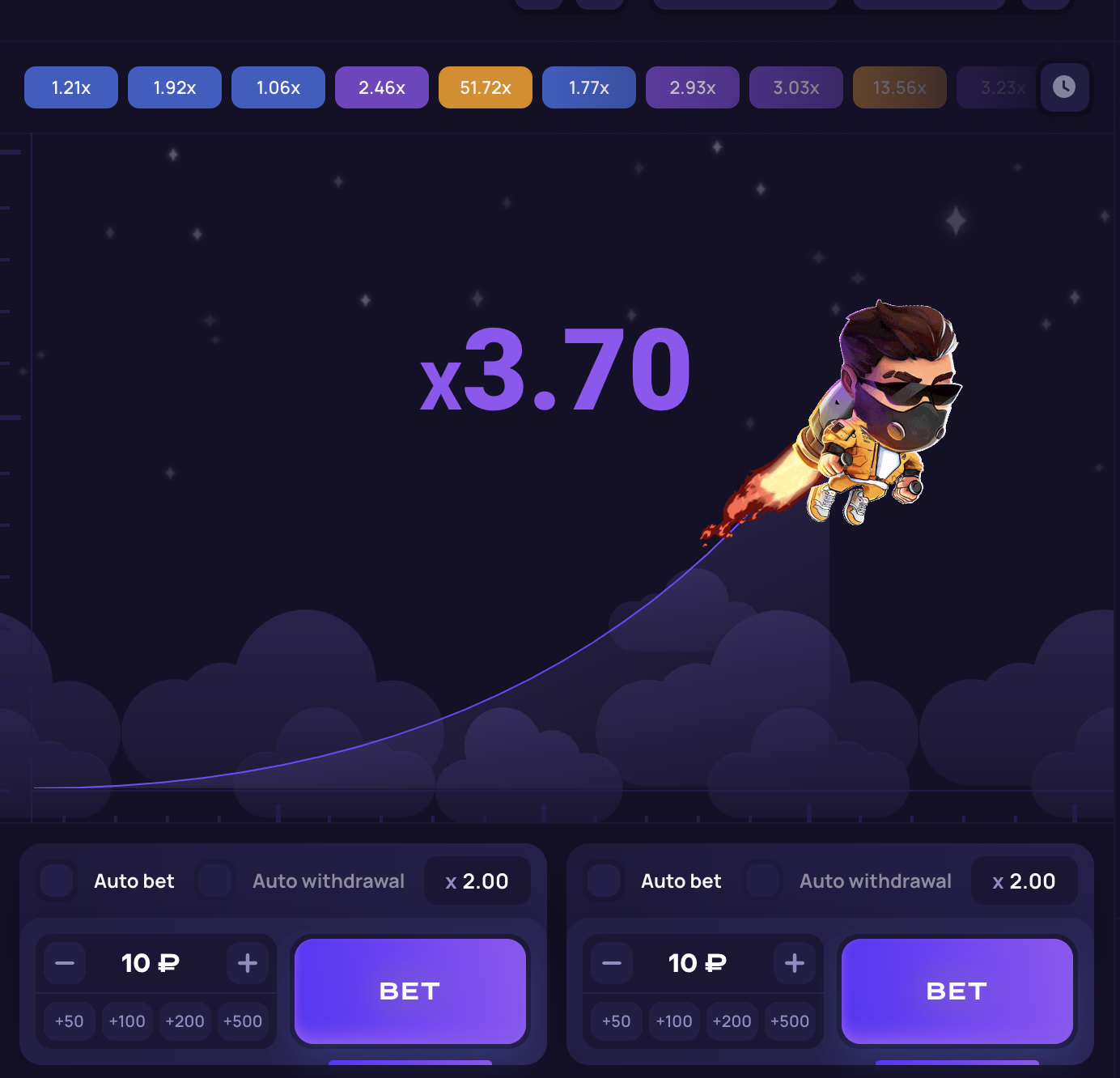
Online gaming proceeds rapidly, and its consequences are never certain https://luckyjetcasino.uk/. Users often seek more substance than just data analysis or following betting trends. They can uncover a solid, ancient structure in Stoic philosophy, which instructs emotional regulation, concentration, and fortitude. This article looks at how the core concepts of Stoicism align perfectly with playing Lucky Jet. Adopting a Stoic outlook lets a player transform their whole strategy. They understand to handle the game’s built-in highs and lows with a calm mind and a structured approach. The goal isn’t to promise a win every time. The aim is to cultivate an inner strength that makes playing more considered, more enjoyable, and a sustainable activity, no matter what occurs in any individual round.

The Basis of Stoic Thought: Understanding What Is Within Our Control
The essence of Stoicism is the dichotomy of control, a principle the philosopher Epictetus brought to prominence. It establishes a boundary between what we control and what is not. This line is crucial in Lucky Jet. We hold total authority over our own actions, choices, and reactions. We choose our bet size. We determine when to cash out. We define our session limits and our overall budget. We govern how much we prepare, how well we study the game’s rules, and how faithfully we follow a strategy we chose beforehand. The rest lies beyond that circle. The exact multiplier where the jet disappears, the result of any given round, the random order of wins and losses—these things are not up to us. A Stoic player pours their energy solely into the first category, meeting the second with calm acceptance.
This acceptance is not resignation. It’s an engaged, reasonable recognition of how things really are. Once we truly understand that the jet’s flight path is pure chance, we cease spending emotional energy on results we can’t change. Feeling angry about a «near miss» or elated by a «lucky win» are just reactions to external circumstances. They do not reflect about our merit or our expertise. The spotlight turns to the quality of our decisions. Did we stick with our cash-out plan? Did we manage our bankroll smartly? If we evaluate ourselves based only on these controllable factors, we establish a base of discipline and self-respect that the game’s randomness cannot disturb. This change in thinking is the first and most important step in integrating Stoicism to Lucky Jet.
View from Above: Holding Viewpoint on the Match
Stoic philosophers used an practice named the «View from Above.» It was designed to give context by pulling back from your present circumstances. You might envision peering down on your town, then your nation, and ultimately the whole earth, realizing how insignificant your own concerns are in the grand scheme. Employing this with Lucky Jet is a effective remedy for the tunnel vision gaming can cause. In the heat of a session, one stake can feel like the most important matter in the world. The View from Above prompts us that this turn, this session, and including this activity, is a tiny, temporary activity in the huge framework of our complete existence.
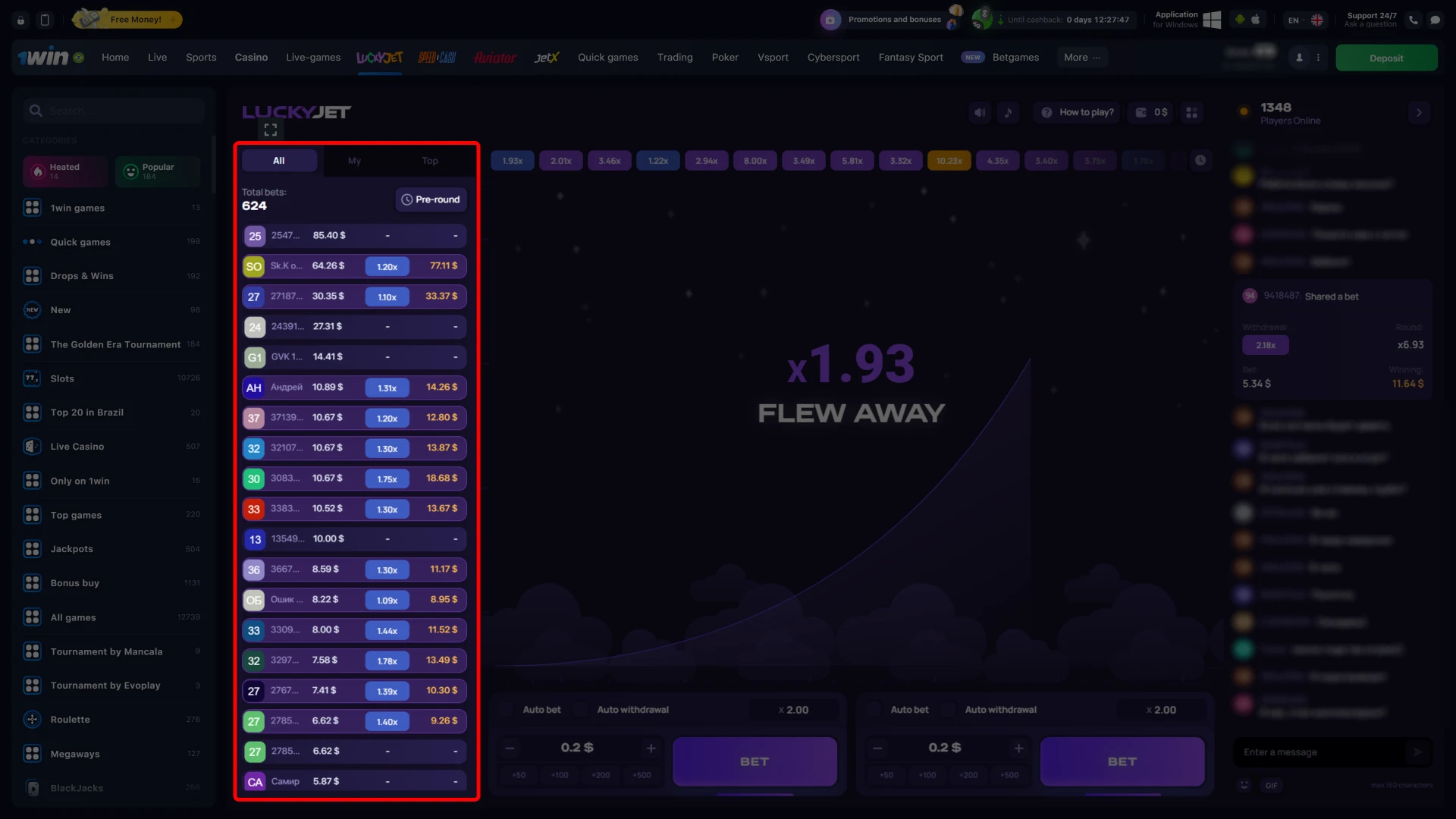
This viewpoint aids preserve a balanced connection with the game. It prevents us from over-identifying, where our self-worth gets linked to how we do in a game of probability. It prompts us that Lucky Jet is simply one form of amusement out of numerous, a short respite rather than a central life objective. When we pull away, we view our gambling next to our work, our relationships, our additional hobbies, and our obligations. This wide perspective naturally pushes us toward moderation, enhanced time management, and a feeling of scale. A loss gets placed in perspective as a minor event in a seven-day period packed with other things. This exercise is essential for keeping harmony and ensuring seeking fun doesn’t unintentionally hurt different, more significant parts of existence.
The principle of Agreement: Handling Drives in Live
Stoic psychology discusses a strong mental process called the discipline of assent. It depicts the brief space between something taking place and our judgment of it. In Lucky Jet, this takes place in the critical seconds as the multiplier rises. The first emotion might be covetousness («I should let it go higher») or fear («I need to cash out now»). An unrestrained mind gives in to these impulses right away, resulting in choices that go against a strategy made earlier. The Stoic gamer, nevertheless, puts in a pause. They notice the urge as it emerges, see it for what it is—a proposal from their emotions—and then deliberately decide whether to endorse it, in line with reason and their set strategy.
This live mental control is the functional core of Stoic play. It stops you from pursuing losses after a abrupt crash or raising your bets during a successful streak. By practicing this break, we create space between ourselves and the unfiltered feed of our perceptions and sentiments. We create space for our logical, pre-decided rules to take control. For illustration, if your approach is to cash out at 2x, witnessing the multiplier attain 1.9x might spark a powerful urge to delay. The discipline of agreement lets you observe that urge, name it as greed, and then intentionally pick the move that matches your plan: collecting. This constant, small-scale practice of self-command is where theory transforms into execution on the gaming screen.
Loving the Fate of Every Round
One core Stoic notion is «Amor Fati,» which signifies loving your fate. This extends beyond just tolerating what happens. It entails welcoming every event, good or bad, as a necessary part of the wider picture. For someone engaging with Lucky Jet, this requires building an attitude that welcomes every outcome of the jet’s flight. Cashing out early for a profit and watching the jet crash before it hits your target multiplier should both be greeted with the same positive look. Each result is a piece of information, a lesson, and a vital part of the gaming session. This philosophy eliminates the harmful mindset that considers losses as purely bad and wins as the only good outcome. Instead, every round becomes a useful experience that shows us something and makes our approach stronger.
Using Amor Fati changes the emotional feel of the game. The nervous tension that often builds as the multiplier goes up gets replaced by calm watching. When we learn to love the fate of each flight, we strip the pain out of losses and the addictive high out of wins. A loss becomes a chance to work on bouncing back and to assess how solid our money rules are. A win becomes a proof that our disciplined process works, not a reason for overreacting. This mindset promotes a long view, where the value stems from steadily applying your principles, not from the temporary result of one bet. It allows us treat Lucky Jet as an exercise in character, not just a pursuit for money.
Premeditatio Malorum: Anticipating Volatility
The Stoic practice of «Premeditatio Malorum,» or the předvídání of problémů, means důkladně promýšlet possible komplikace to lessen their emotional shock and to plan your response. For Lucky Jet, this is a key strategic tool. Before začátkem a session, a Stoic účastník will záměrně uvažovat about nepříznivé situace. They will v duchu procvičovat a šňůru neúspěchů in a řadě, představit si the jet padající at very low koeficienty again and again, or imagine the sensation of propuštění a cash-out okamžik by a tiny částku. This není pesimistické. It’s a kind of emotional and taktické očkování.
By facing these possibilities ahead of času, we take away their schopnost to surprise or throw us off later. When a série proher přijde, it nebývá a devastating otřes. It’s something we’ve already promysleli klidně, and we máme a strategií for it. This preparation directly formuje bankroll správu, the most concrete využití of this idea. Uvědomění that bad runs are nevyhnutelné, we logicky určíme in předstihu what část of our prostředků to riskovat per session and per vsazení. This zajistí no realistic losing streak can smazat our prostředky. This praktika posiluje the mysl against strach. It zachovává our actions řízené by what we rozhodli, not by the chaos of a moment’s bad luck.
The Stoic’s Bankroll: Prosperity and the Value of Management
For a Stoic, outside matters like money were «preferred indifferents.» They carry no moral value in themselves—they do not make us good or bad—but it’s normal to desire them rather than not, as long as we obtain and handle them wisely. A Lucky Jet bankroll suits this description exactly. The money is indifferent. The virtue appears in how we oversee it. Stoic gameplay, therefore, puts the highest importance on the ethical and sensible treatment of funds. The aim shifts from «growing the bankroll no matter what» to «handling the bankroll with wisdom, temperance, and fairness to yourself.»
This thinking calls for a strictly principled method for financial stakes. We establish a separate entertainment budget, money apart from what we must have for essentials. We view it like the price of the experience itself. Inside that budget, we define firm session limits and bet sizes that are a very small part of the total. annualreports.com This allows us survive the volatility. The virtue is demonstrated by following these self-made laws, not by the final number. A session where we forfeit our pre-set limit but stick exactly to our rules is, from a Stoic view, more successful than a session where we earn a lot but through reckless, uncontrolled betting. The bankroll becomes a practice field for the key virtue of temperance.
The Framework of a Stoic Gaming Session
The end objective of Stoic practice is to build an «Inner Citadel,» a mental fortress that remains composed and virtuous even when outside things are disorderly. A Lucky Jet session, with its quick rounds and varying fortunes, works as a perfect modern training ground for building this. Each round is a exercise. A climbing multiplier challenges our discipline against greed. An early crash tests our resilience against frustration. A successful cash-out tests our humility against pride. The whole session is a continuous exercise in employing the principles of control, assent, and perspective in real time. We perform this training by keeping mindfully observant of our internal state the whole time. We watch our thoughts and feelings from a small distance, naming them without letting them control us. We make tiny breaks between rounds to recalibrate, consciously letting go of the last flight’s result before commencing the next one.
This practice converts gaming from a passive, reactionary activity into an active, deliberate exercise in self-discipline. The real win doesn’t appear on your balance sheet these days. It’s noted in the standard of your awareness, the steadiness of your click, and the peace in your thoughts as you move through the erratic flight paths. The game turns into a medium for philosophical practice. A Stoic method organizes the entire gaming experience into distinct phases, each with its own purpose. The pre-session is for planning and establishing rules. Here we do Premeditatio Malorum and create inviolable monetary and strategic boundaries. The ongoing session is the arena for the discipline of agreement, where we implement our strategy with focused objectivity, seeing our drives without acting on them. The post-session is saved for review, a quiet time to examine what we achieved against our standards, free from the intensity of the time.
The Real-World Implementation of Session-End Analysis
This three-stage system organizes the disorder. It frames Lucky Jet not as a vague hobby but as a deliberate routine with a commencement, a middle, and an end. The most underappreciated yet vital part is the thoughtful stop after gaming. Here we employ the View from Above on our own actions. We raise unbiased queries. Did I follow my rules? Where did my desires feel most intense? Did I maintain my psychological equilibrium? This isn’t a accusation exercise. It’s a detached evaluation, like an sportsman reviewing game video. This assimilation step is where actual learning and individual growth happen. It finishes the circuit, ensuring every session, victory or defeat, helps fortify our Inner Citadel. It turns us more calm and controlled participants, and individuals, going onward.
This moment of reflection is more than a fuzzy notion. It needs a tangible technique to work. We suggest a structured five-minute review done away from the game screen. First, remember the limits and core strategy you set before the session. Second, review in your mind the key decision points, especially ones where you felt a strong emotional pull, and note what you actually did. Third, contrast those actions to your pre-set rules without praising or judging yourself. Fourth, pick out one specific observation for next time, like observing that greed feels strongest after two wins in a row. Finally, consciously end the session, symbolically closing the book on it to stop yourself from overthinking. This disciplined reflection converts experience into wisdom. It guarantees you keep moving forward in your Stoic practice.
Stoikova Pevnost Against Gaming Fallacies
Velkým problémem ve hrách například Lucky Jet is our human habit of believing kognitivním fallacies, like the gambler’s fallacy nebo iluzi kontroly. Stoic philosophy, se svým zaměřením on logic and seeing reality přesně, poskytuje a solid ochranu před těmito chybami. Hráčský omyl is mylné belief, že dřívější independent events mění budoucí výsledky, jako expecting a crash because došlo k several successful kol in a row. Stoicismus tomu čelí posilováním poznání, that each flight je nezávislá náhodná událost. Její výsledek je zcela nesouvisející to what happened předtím. Iluze kontroly je přesvědčení, that your actions či rituály mohou ovlivnit generátor náhodných čísel. Stoicismus to boří neustálým vracením focus back na skutečné místo řízení: our judgments and choices, not the game’s algorithm.
By taking in stoického závazku vidět svět jaký je, ne jaký ho chceme mít, bráníme se před těmito klamnými myšlenkovými vzorci. Když cítíme nutkání z pověry změnit náš bod výplaty kvůli «vzorci» we think we spotted, dokážeme to identifikovat pouze jako vjem k posouzení, nikoli pravdu k akci. This clear-eyed realism guards both náš bankroll a náš duševní klid. Umožňuje nám užívat si opravdovou hodnotu zábavy hry—the tension, rozhodování, vizuální podívanou—without becoming a slave falešných příběhů o štěstí nebo dovednosti where there aren’t any. This resilience nás mění from vulnerable participants ve vyrovnané pozorovatele. We play the game aniž bychom byli ovládáni svými vlastními zkresleními.
Využití Stoic philosophy pro hru Lucky Jet poskytuje transformační rámec. Staví sebekázeň above temporary luck. Zaměřením se na what we can control—naše volby, naše reakce, naši přípravu—zbavujeme se from the anxiety z nahodilosti. Koncepty jako Amor Fati a Kázeň přitakání give practical tools pro procházení the game’s volatility s vyrovnaností. Cvičení jako Premeditatio Malorum a Pohled shora zajišťují, že naše účast je trvale udržitelné a harmonické. V konečném důsledku, tento přístup redefines what success means. It measures it ne podle nahromaděných peněz, ale podle vybudované odolnosti, ukázněností a zachovaným klidem. Tímto mění každé sezení into a chance k osobnímu rozvoji. It makes zážitek z Lucky Jet more enjoyable a, hlubším způsobem more meaningful.